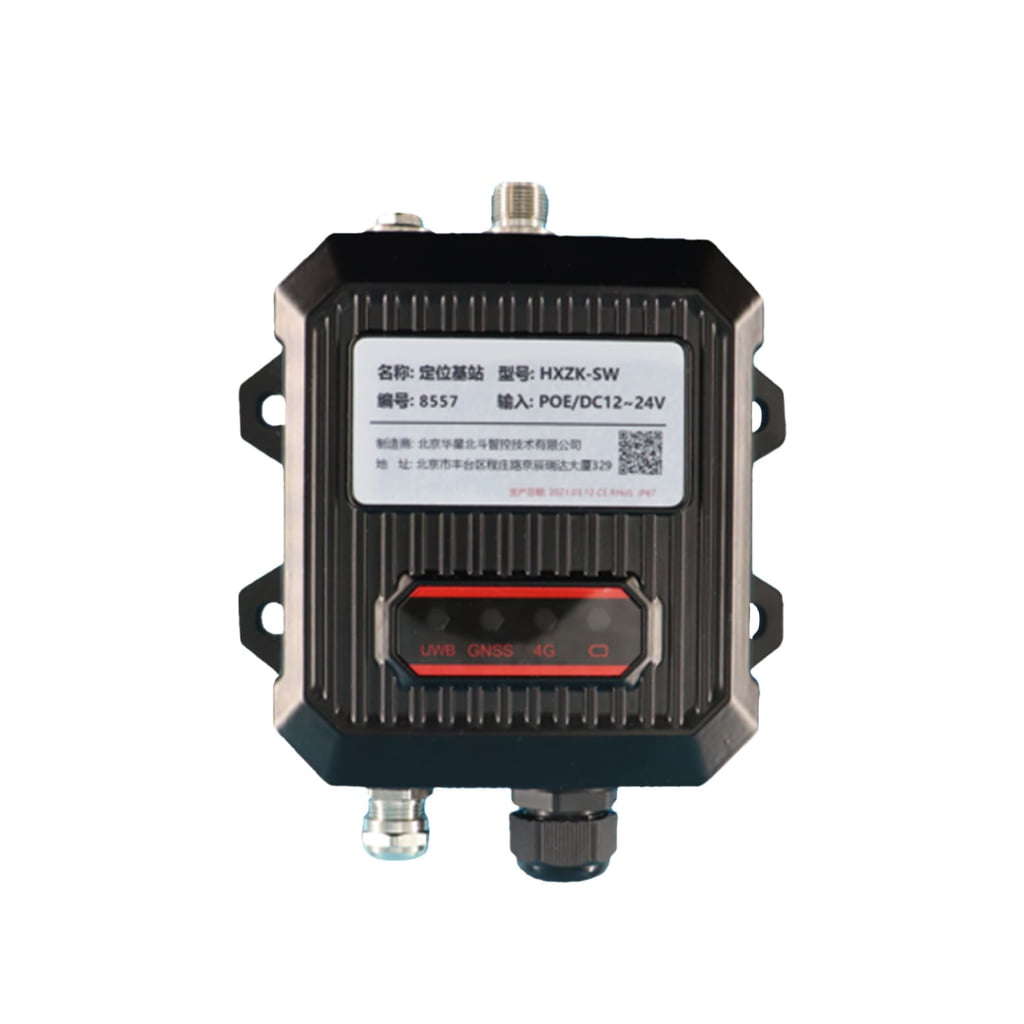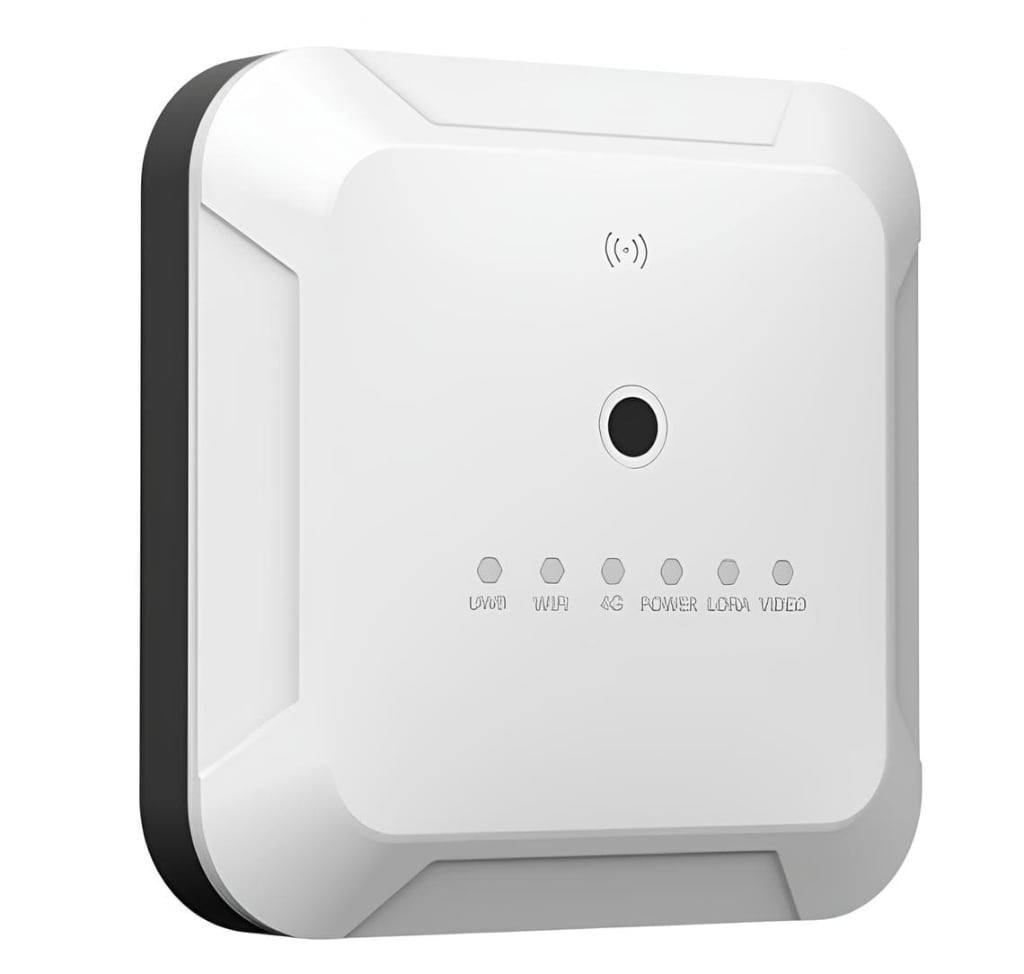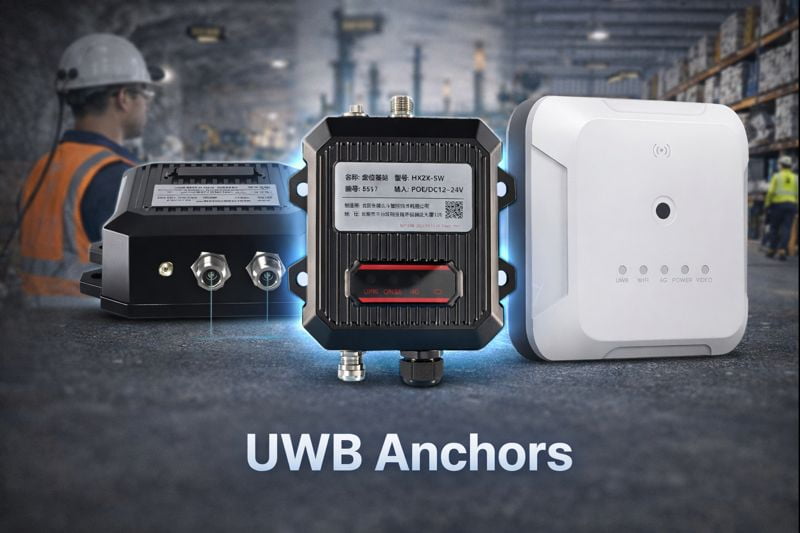
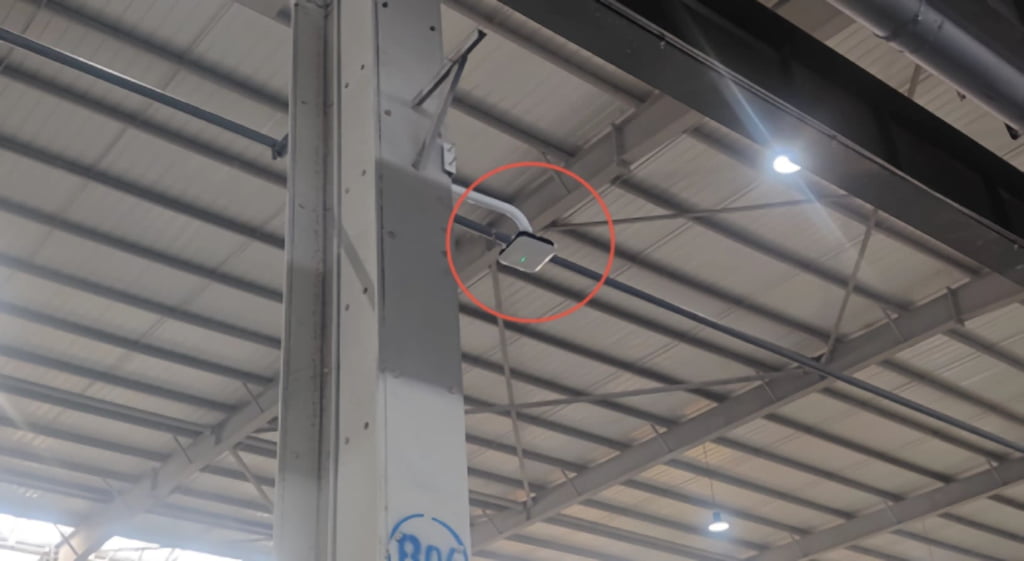
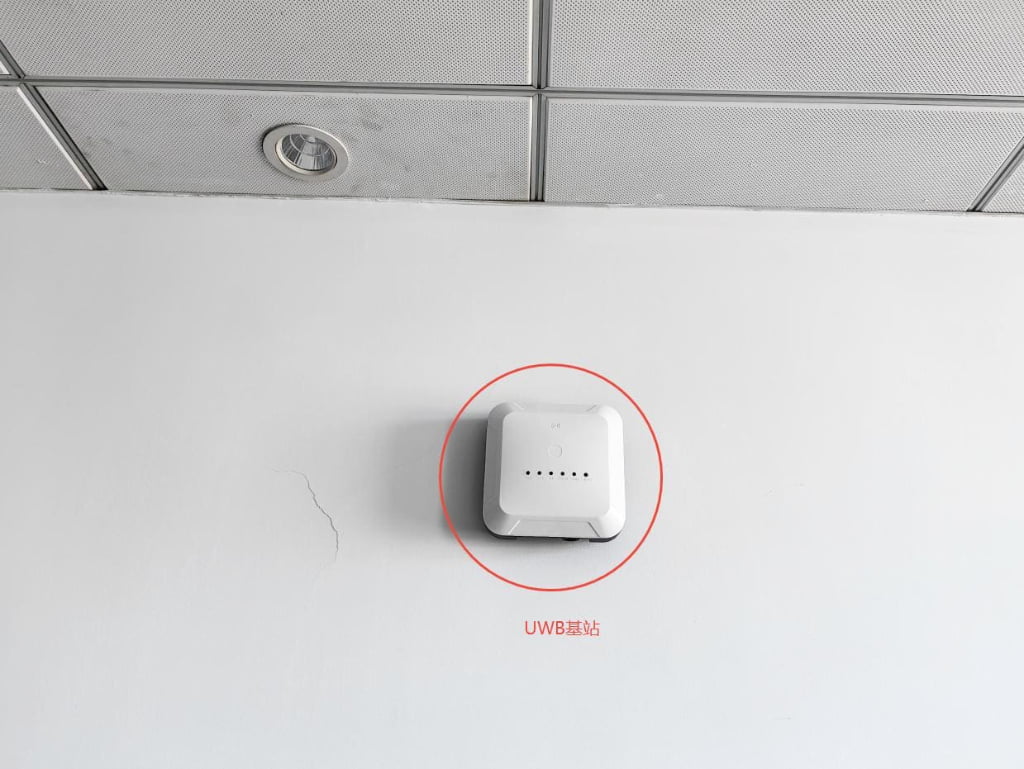
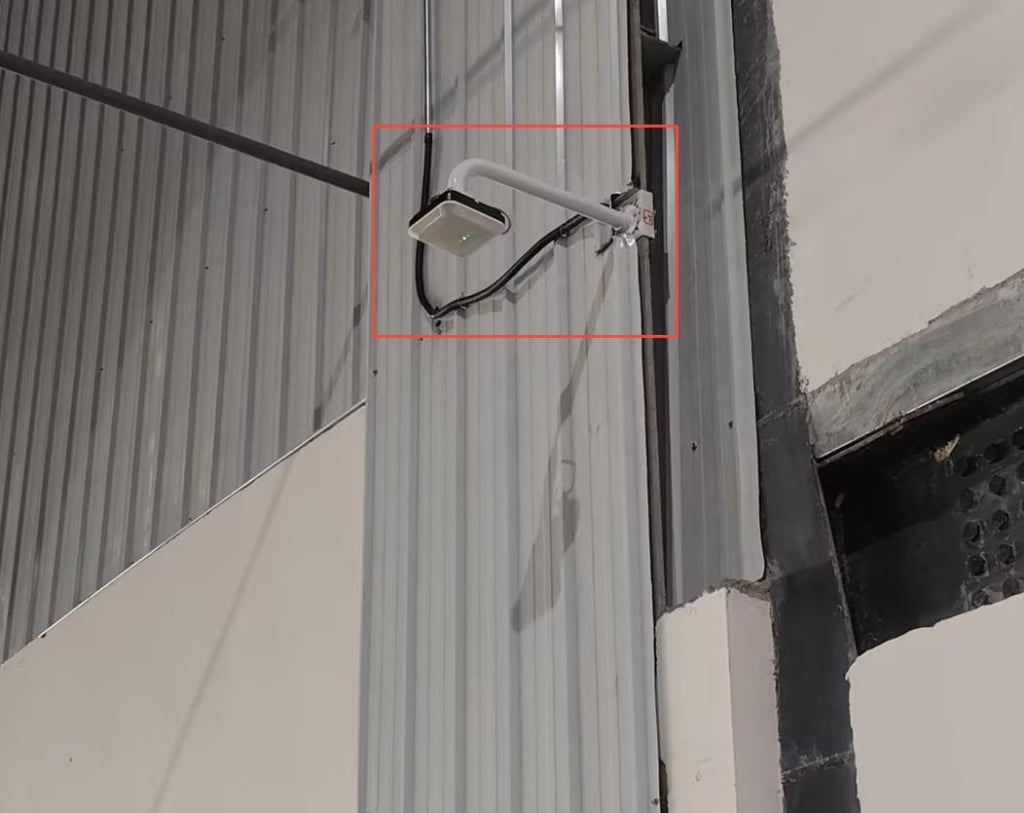
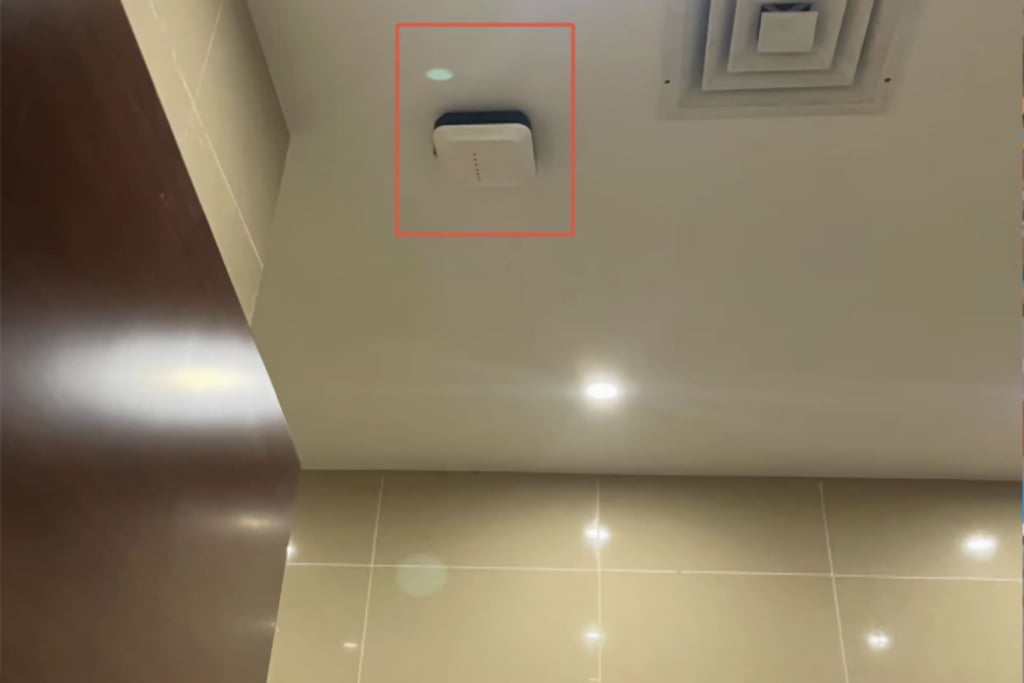
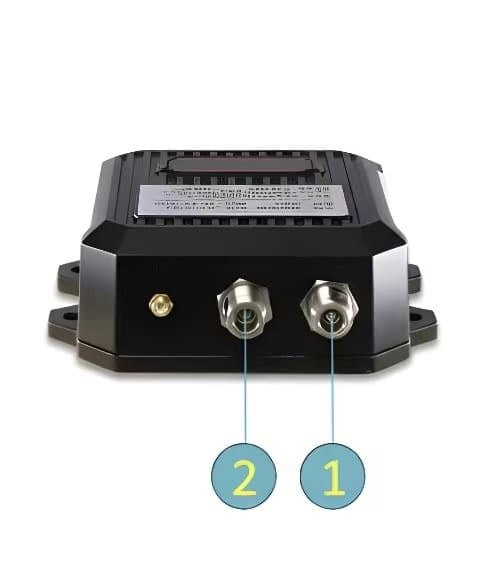
Industrial UWB anchors and infrastructure for high-accuracy indoor positioning. Synchronization, gateways and options for scalable RTLS deployments.
GridRTLS supplies industrial-grade UWB anchors and base stations for
real-time location systems deployed in factories, warehouses, tunnels, mines,
and transportation infrastructure.
We focus on the device & data layer of RTLS deployments—providing
anchors designed for stable synchronization, predictable geometry,
and integration with third-party positioning engines.
Our anchors are not consumer-grade beacons; they are engineered for
long-term industrial operation where uptime, clock stability, and environmental
tolerance matter more than marketing accuracy claims.
As a UWB anchor manufacturer and supplier, we work primarily with
system integrators, solution providers, and engineering teams
building RTLS systems at scale.
Typical deployments range from single-floor zones to multi-floor facilities and
long corridors, where anchor placement, PoE wiring constraints, and network
topology must be considered together.
If you are evaluating UWB anchors for a new RTLS project—or replacing anchors in
an existing system—this category is intended to help you
shortlist devices, understand architectural trade-offs,
and move toward an RFQ-ready bill of materials.
Designed for continuous indoor positioning in factories, warehouses, tunnels, and infrastructure projects. Enclosures, power options, and mounting methods are optimized for long-term industrial deployment rather than lab or demo environments.
Support wired PoE/Ethernet for fixed infrastructure, as well as cellular or gateway-relay architectures when cabling is limited. Power and network topology can be aligned early during RFQ to avoid rework.
Anchors are designed to work in synchronized UWB networks, where placement geometry directly affects accuracy. We provide anchor selection and BOM recommendations based on target output level (presence / 1D / 2D / multi-floor).
Anchors expose positioning data and diagnostics suitable for integration with customer platforms or third-party RTLS software. APIs, payload formats, and commissioning steps are clarified before delivery.
Each anchor configuration can be delivered with wiring references, mounting guidance, and acceptance checklists to support system integration, site commissioning, and handover.
Defines minimum anchor count and placement geometry. Over-specifying accuracy often increases infrastructure cost without improving operational outcomes.
Ceiling height, wall material, metal density, and NLOS conditions directly affect anchor placement and synchronization strategy.
PoE/Ethernet availability vs. cellular/gateway relay determines anchor model selection, enclosure type, and deployment complexity.
If outdoor tracking or handover is required, anchor selection must align with GNSS/RTK or fusion terminal strategies from the start.
IP rating, temperature range, or intrinsically safe / explosion-proof requirements affect enclosure design and certification scope.
Long-term fixed infrastructure vs. temporary projects change how anchors are powered, mounted, and serviced.
UWB anchors can be customized at the hardware, firmware, and deployment level depending on project scope. Typical customization requests include enclosure modifications, interface exposure, firmware configuration, labeling, and compliance alignment. Customization scope should be aligned early, as it may affect lead time, MOQ, and certification boundaries.
Material, ingress protection, mounting brackets, and connector orientation can be adapted. Changes must respect RF performance and thermal constraints.
Anchor firmware can be configured for synchronization mode, update rate, diagnostics, and region settings. Core RF logic is not modified.
Ethernet, PoE variants, antenna connectors, and auxiliary ports can be aligned with site wiring practices.
Brand labeling, packaging, and documentation can be customized for OEM projects.
Anchors are supplied as part of a device-level RTLS architecture and are not a standalone positioning system. Integration responsibilities typically include platform logic, visualization, and business rules. We provide clear data outputs, synchronization guidance, and deployment documentation to support system integrators during integration and commissioning.
Common solution patterns where this category is typically used.
Where this category is most commonly deployed.
Evidence that matters to SI teams: how we lock BOMs, keep batch consistency, and ship integration-ready hardware.
Built for SI teams
GridRTLS supplies the device & data layer for industrial UWB RTLS deployments.
We work primarily with system integrators and engineering teams who need anchors and base stations
that can be deployed, scaled, and maintained in real industrial environments.
Our UWB anchors are not consumer-grade beacons. They are designed for
stable synchronization, predictable geometry, and long-term operation
where uptime, clock stability, and environmental tolerance matter more than headline accuracy.
If you already have a floor plan and target output level, submit an
RFQ.
If your project requires branding, firmware parameters, or enclosure/interface changes,
review
OEM/ODM & Customization
first to align scope and timelines.
Selected based on installation environment and exposure level.
Applies to standard production models; project-specific confirmation available.
Defined per model; extended range options available for industrial sites.
Warranty terms are specified in quotation and commercial agreement.
Anchors undergo functional testing, RF verification, and configuration checks prior to shipment. For large deployments, sampling plans and acceptance criteria can be aligned during RFQ to support predictable rollout and long-term reliability.
For presence detection, a single anchor may be sufficient. For 1D corridor tracking, two anchors are typically required. Full 2D positioning generally requires at least three anchors with simultaneous visibility, depending on site geometry.
No. GridRTLS supplies hardware and integration-ready documentation but does not provide on-site installation, cabling, or civil construction services.
Yes. Anchors are designed to output data compatible with third-party RTLS engines. Integration details depend on the software platform used.
Move from accuracy targets and site constraints to a deliverable anchor BOM, including power options, deployment geometry, lead time, and acceptance criteria.
Share your site layout and accuracy needs--we'll suggest a practical setup.