Skip to content
Industrial UWB RTLS for Real-Time Visibility
Menu
Industry Solutions

Oil & Gas
RTLS & Safety Solutions

Hybrid UWB + GPS RTLS for high‑risk oil and gas operations.

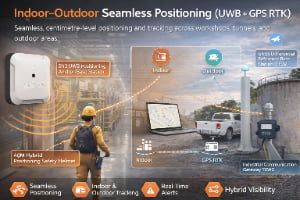
Oil and gas facilities combine high‑value assets with high‑risk conditions — flammable products, high pressure, moving equipment and complex layouts. GridRTLS uses UWB indoor positioning and GPS outdoors to provide live visibility of personnel, vehicles and critical assets across upstream, midstream and downstream sites, helping reduce incidents and support safer, more efficient operations.

Oil and gas operations span offshore platforms, onshore well pads, pipelines and block valve stations, tank farms, refineries, gas plants and loading terminals. Work is often performed in classified hazardous areas with explosive atmospheres, elevated structures, confined spaces and high traffic from trucks and maintenance crews.

Traditional safety and operations tools — radio calls, paper permits, manual muster lists and CCTV — cannot always answer a few critical questions quickly: Who is in each zone? Are they authorised? How close are people to moving cranes or trucks? Who is still inside during an emergency?

GridRTLS deploys rugged UWB anchors and wireless beacons in process units, pipe racks, tank farms and buildings, combined with hybrid GPS/UWB tags for use in open yards and along pipelines. Industrial‑grade anchors and tags typically deliver <30 cm accuracy in open line‑of‑sight conditions indoors with update rates from 1–10 Hz, while GPS / RTK devices provide sub‑meter to centimetre‑level accuracy outdoors for vehicles, machinery and structural monitoring.

The platform provides real‑time maps of people and assets, geofencing around hazardous zones, man‑down and SOS alarms, collision‑avoidance logic for vehicles and cranes, and detailed exposure reports by zone, contractor and shift. Integrations with permit‑to‑work, DCS/SCADA, emergency‑shutdown, access control and video systems turn RTLS into a central layer for safety and operational excellence.

📊 Key stats for this industry

Typical Facility Coverage
10,000–500,000 m²

Process units, control buildings, tank farms, jetties and yards covered by RTLS.

Concurrent Workforce Tracked
100–2,500 personnel

Operations, maintenance, projects and contractors across upstream, midstream or downstream sites.

Mobile Assets & Vehicles Tracked
50–400 units

Trucks, cranes, forklifts, maintenance vehicles, portable pumps, generators and tool containers.

Typical UWB Indoor Accuracy
<30 cm

UWB anchors and tags in open line‑of‑sight industrial areas, suitable for collision‑avoidance and zone enforcement

⚠︎

Operational challenges

Managing personnel safety in hazardous and classified zones

Oil and gas facilities include high‑risk zones such as process units, hot work areas, high‑pressure equipment, offshore decks and confined spaces. It is difficult to know in real time who is inside each zone and whether they are authorised and properly protected.
Vehicle, crane and equipment collision risk

Trucks, cranes, forklifts and mobile equipment move through narrow roads, loading bays and congested yards. Limited visibility and complex traffic patterns raise the risk of vehicle–vehicle and vehicle–person collisions.

Limited oversight of contractors during turnarounds and projects

Shutdowns, turnarounds and construction projects bring hundreds of contractors on site. Paper permits and manual sign‑in cannot provide continuous visibility of where teams are working or their time spent in hazardous zones.

Slow and incomplete emergency mustering

In case of fire, gas release or explosion risk, control rooms must account for everyone quickly. Manual mustering and radio checks can take too long and may miss people still in danger.

Finding tools, hoses and temporary equipment across large plants

Special tools, rented equipment, scaffolding, hoses and temporary assemblies move around large sites and can be easily misplaced, causing delays and additional rental or capex costs.

Business drivers

Reduce safety incidents and major accident risk

Real-time location, geofencing and collision‑avoidance alerts help prevent incidents and support corporate safety and process‑safety objectives.

Improve shutdown, turnaround and project execution

Better visibility of contractor deployment, zone occupancy and equipment locations supports more efficient scheduling, faster handovers and reduced idle time.

Strengthen regulatory compliance and audit readiness

Reliable data on personnel presence, zone entry/exit and exposure times provides strong evidence for regulators, insurers and internal auditors.

Optimise asset utilisation and reduce rental and loss

Tracking the location and usage of mobile equipment, tools and containers reduces losses, duplicated rentals and unnecessary purchases.

📜 Regulations & safety expectations

Oil and gas operations are governed by strict process‑safety, occupational‑safety and environmental regulations. RTLS enhances existing controls — such as work permits, gas monitoring, lockout/tagout and emergency procedures — by adding high‑quality time‑stamped location data for people and assets.

Because many areas are classified for explosive atmospheres, RTLS hardware must meet relevant standards. GridRTLS uses rugged, IP66–IP67‑rated anchors and tags designed for harsh and potentially explosive environments, with intrinsically safe options where required and operating ranges from about –40 °C to +80 °C.

Deployments should be designed together with HSE, electrical and instrumentation teams to ensure compliance with company engineering standards and local regulations.

🧩 Typical RTLS use cases

Common positioning and tracking scenarios for this industry.

Personnel Tracking & Zone Control in Process Plants

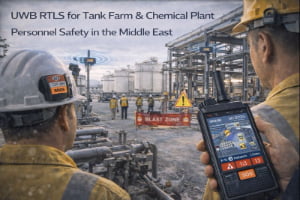
Operators, maintenance staff and contractors carry RTLS tags when entering process units, tank farms and other hazardous zones. Control rooms see live headcount by zone, receive alerts when unauthorised tags enter restricted areas and use historical tracks to support incident and exposure investigations.

Environment
mixed
Accuracy
0.3–1 m in units, pipe racks, loading areas and control buildings.
Update rate
1–3 s for safety‑critical tracking.
Tracked objects
personnel, visitors_contractors
Typical integrations: Permit‑to‑work systems, access control, DCS/SCADA events, gas‑monitoring systems, CCTV / VMS, HSE incident‑management platforms.

Vehicle & Crane Collision Avoidance

RTLS devices installed on trucks, forklifts, cranes and other mobile equipment continuously measure distance to personnel tags and other vehicles. When separation falls below configurable thresholds, in‑cab and wearable alerts warn operators and pedestrians, and events are logged for analysis.

Environment
mixed
Accuracy
<30 cm for close‑range collision avoidance; 1–3 m for general tracking.
Update rate
0.5–1 s for proximity detection.
Tracked objects
personnel, vehicles, mobile_equipment
Typical integrations: Vehicle telematics, crane control and safety systems, CCTV / VMS, traffic‑management dashboards.

Emergency Mustering & Evacuation

During drills or real emergencies, RTLS shows live counts at muster points, highlights missing people and displays their last‑known locations. Safety teams can see whether escape routes are clear, which areas still contain personnel, and how long evacuations take.

Environment
mixed
Accuracy
0.5–1 m in muster areas and key escape paths.
Update rate
1–2 s during emergencies and drills.
Tracked objects
personnel, visitors_contractors
Typical integrations: Fire and gas systems, emergency‑shutdown and alarm systems, access control, mass‑notification platforms, CCTV / VMS.

Maintenance, Inspection & Lone‑Worker Protection with Smart Helmets

Maintenance and inspection teams working in remote pipe racks, flare stacks, tank roofs, compressor buildings or on offshore decks wear smart helmets or wearables with UWB + GPS, motion sensing and SOS buttons. Man‑down, no‑movement or panic events trigger alarms with precise location and can automatically bring up linked camera views.

Environment
indoor
Accuracy
0.3–1 m around equipment, platforms, ladders and walkways.
Update rate
1–2 s while work is active.
Tracked objects
personnel
Typical integrations: CMMS / maintenance‑management systems, HSE and emergency‑response platforms, CCTV / video linkage, voice communication systems.

📋 RTLS requirements for this industry

Typical coverage
Process units, control rooms, substations, tank farms, jetties, loading bays, utility and compressor buildings, workshops, offices and contractor villages, plus access roads and parking areas. Offshore, coverage includes decks, accommodation, helidecks and bridges between modules.
Personnel scale
From 100–300 tracked staff and contractors on smaller sites up to 2,000–2,500 people during major shutdowns or large integrated complexes (refinery + petrochemical + terminal).
Assets & vehicles
Dozens to hundreds of vehicles and mobile machines (trucks, cranes, forklifts, loaders, maintenance vehicles) plus hundreds to thousands of tagged tools, containerised equipment, temporary skids, hoses and other assets.
Environment constraints
Oil and gas sites present harsh conditions: extreme temperatures, humidity, salt spray (offshore), dust, vibration, heavy steel structures and classified hazardous areas. RTLS anchors and tags must be rugged, with IP66–IP67 protection, strong EMC performance and wide temperature ranges (around –40 °C to +80 °C). UWB’s wideband, short‑pulse signals deliver high accuracy and robustness around metal structures and other radios, whilst GPS / RTK devices serve open yards, jetties, roads and pipelines.

🛡️ Safety & reliability expectations

Safety‑critical use cases — such as collision avoidance, man‑down detection and emergency mustering — demand sub‑meter accuracy, low latency (0.5–2 s) and high availability (target ≥99.99% for core functions). UWB anchors and tags can provide <30 cm accuracy in suitable layouts with up to 10 Hz update rates, while RTK‑enabled GPS devices on vehicles and fixed structures deliver centimetre‑level outdoor positioning for tasks like tank‑farm monitoring or structural movement.

Battery‑powered beacons and tags must support long lifetimes to minimise maintenance in hard‑to‑access locations such as tall structures or remote valves. Industrial‑grade devices in the portfolio offer multi‑year battery life at 1 Hz reporting, which is critical for oil and gas deployments. Clear governance for device management, system health monitoring and data retention ensures the RTLS remains trusted and ready during real emergencies.

🛰️ RTLS solutions for this industry

📦 Devices and infrastructure used in this industry

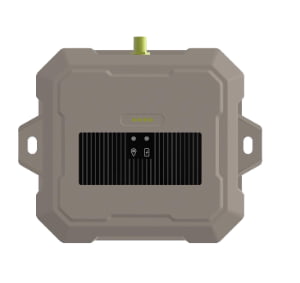
SN2 UWB PoE Anchor

SN2 UWB PoE Anchor

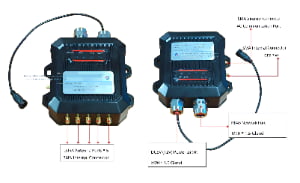
The SN2 is an industrial‑grade UWB positioning anchor designed for high‑accuracy real‑time location systems. It supports Standard PoE or 12–24 V DC power, delivers sub‑meter performance (<30 cm LoS), and features an IP66 enclosure for harsh indoor/outdoor environments. Multiple mounting options (ceiling, wall, pole clamp) make deployment easy in factories, warehouses, and tunnels. Optional 4G/Wi‑Fi backhaul, AI video add‑on, and sound‑light alarm extend the anchor’s capability for safety and analytics. (Actual performance depends on anchor density, layout, and site RF conditions.)

View product
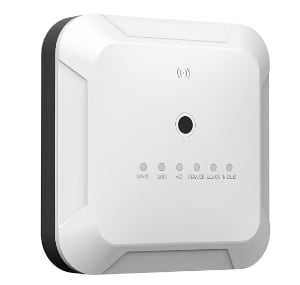
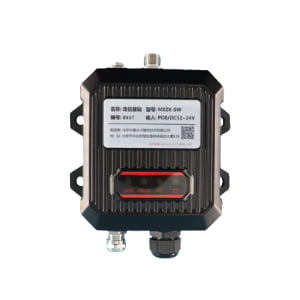
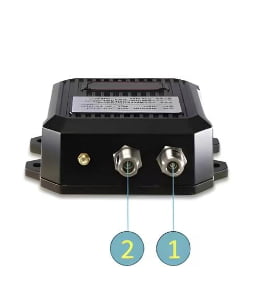
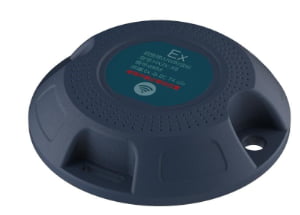
SW UWB Anchor

SW UWB Anchor

The SW UWB Positioning Base Station is an industrial-grade device designed for sub-meter accuracy tracking of personnel, vehicles, and assets in factories, tunnels, and other complex environments.

View product
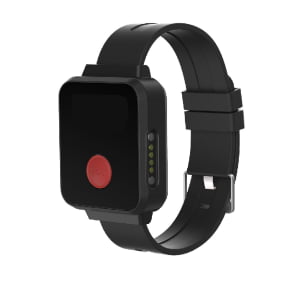
SH UWB Positioning Wristband Tag

SH UWB Positioning Wristband Tag

The SH UWB Positioning Wristband Tag is a high-precision wearable device designed for real-time personnel tracking and safety monitoring in industrial environments such as factories, construction sites, and tunnels.

View product
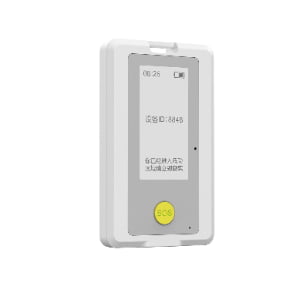
GP UWB Positioning Employee Card

GP UWB Positioning Employee Card

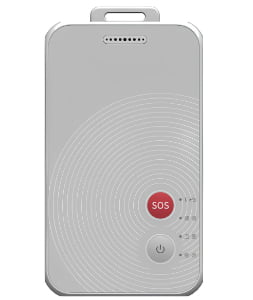
The GP UWB Positioning Employee Card is a compact, intelligent badge-style positioning device designed for industrial personnel management and safety monitoring. Built on UWB (Ultra-Wideband) technology, it achieves 10–30 cm accuracy, supports real-time location tracking, and enables instant SOS alerts via a one-touch button. The device includes vibration reminders, motion/static detection, and optional NFC/RFID, E-ink display, and LoRa communication modules. With an IP66-rated enclosure and 900 mAh rechargeable battery, it operates continuously in demanding environments such as factories, construction sites, logistics parks, and tunnels.

View product
AQM Hybrid Positioning Safety Helmet

AQM Hybrid Positioning Safety Helmet

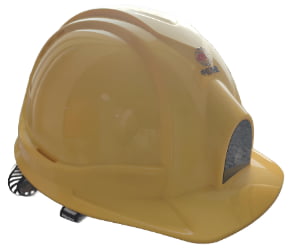
The AQM Hybrid Positioning Safety Helmet is an industrial-grade smart helmet integrating UWB high-precision positioning, RTK centimeter-level positioning, GPS outdoor positioning, and 4G full-network communication. Designed for worker safety and real-time visibility, it features SOS emergency alerts, TTS voice, motion/static detection, low-battery warnings, and optional NFC / LoRa / 5G communication. With an IP56 rugged rating and a built-in 3000mAh rechargeable battery, the AQM helmet is ideal for construction sites, tunnels, factories, mining, ports, and hazardous environments requiring precise personnel tracking and safety protection.

View product
UBK UWB + GPS Hybrid Positioning Badge

UBK UWB + GPS Hybrid Positioning Badge

The UBK UWB + GPS Hybrid Positioning Badge is a rugged industrial-grade personnel tracking card designed for high-precision positioning in factories, warehouses, tunnels, and other demanding environments. It integrates UWB centimeter-level positioning with GPS outdoor positioning, features SOS emergency button, motion detection, TTS voice broadcast, 4G cellular communication, and optional NFC functionality. Equipped with a 3000mAh rechargeable battery and an IP66 protection rating, the UBK badge ensures reliable real-time personnel visibility and safety monitoring both indoors and outdoors.

View product
TXWG Industrial Communication Gateway

TXWG Industrial Communication Gateway

A high-performance LPWAN-based industrial communication gateway designed for long-distance, low-power IoT communication. It supports LORA self-organizing networking, 4G cloud transmission, GPS time sync, multi-channel data forwarding, and explosion-proof applications.

View product
URT Hybrid Positioning Terminal

URT Hybrid Positioning Terminal

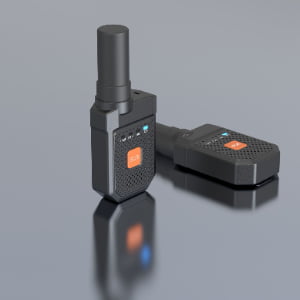
The URT Hybrid Positioning Terminal is an industrial-grade wearable tracking device that integrates UWB high-precision positioning, RTK centimeter-level positioning, GPS outdoor positioning, and 4G wireless communication. It provides real-time personnel tracking, SOS emergency alerts, TTS voice broadcasting, motion detection, and optional NFC/Lora/5G expansion. With an IP66 rugged design and a 3000mAh magnetic-charging battery, the URT terminal is ideal for complex industrial environments such as factories, tunnels, construction sites, rail transit, and energy facilities.

View product
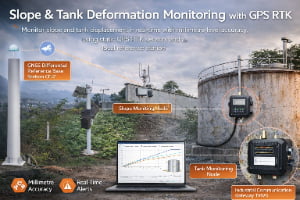
GNSS Differential Reference Station

GNSS Differential Reference Station

A high-precision GNSS/Beidou differential reference station that provides centimeter-level RTK corrections and sub-meter static accuracy. Supports RTCM differential data output, 4G/WiFi backhaul, UWB optional transmission, and fully integrates with positioning platforms for mining, ports, factories, and outdoor infrastructure.

View product
JCZD GNSS Displacement & Settlement Monitoring Terminal

JCZD GNSS Displacement & Settlement Monitoring Terminal

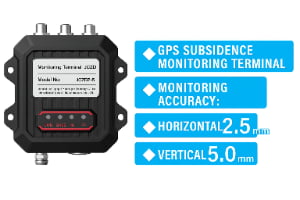
A high-precision GNSS-based monitoring terminal designed for real-time displacement and settlement monitoring in landslides, mining slopes, dam structures, reservoir embankments, tank subsidence, and roadbed deformation. Accuracy: ±2.5 mm horizontal / ±5 mm vertical. Supports GNSS differential positioning, 4G/RJ45 communication, fusion positioning algorithms, and outdoor IP67 deployment.

View product

Frequently asked questions

How does RTLS support our existing permit‑to‑work and gas‑monitoring systems? +
RTLS does not replace permits or gas detection; it adds real‑time and historical location data so you can see whether workers are actually in the permitted zone, how long they stayed, and who else was nearby when gas alarms or process events occurred.
Can RTLS hardware be used in explosive atmospheres? +
Yes — with the correct certified hardware. Rugged, intrinsically safe anchors and tags are available for use in many hazardous areas, and system design follows your electrical and instrumentation standards. Engineering and safety teams should review each deployment to ensure compliance.
What is the accuracy of UWB RTLS in oil and gas plants? +
With a proper anchor layout and line‑of‑sight conditions, UWB typically achieves better than 30 cm accuracy, even around steel structures and equipment. This is sufficient for collision‑avoidance, zone enforcement and detailed movement history.
How long do wearable tags and beacons last in harsh conditions? +
Wearable tags for personnel often operate for 1–3 months per charge at 1 Hz reporting, depending on configuration. Battery‑powered beacons and asset tags can run for several years at lower update rates, which is important for devices placed in hard‑to‑reach or offshore locations
Can RTLS integrate with DCS/SCADA and ESD systems? +
RTLS platforms expose APIs and event streams that can be connected to DCS/SCADA, safety systems and emergency‑shutdown logic under strict engineering control, allowing, for example, interlocks based on zone clearance or automatic camera call‑up when alarms occur.

Related Technical Resources

Bring real-time location into your oil and gas operations.

Share your facility layout — upstream, midstream or downstream — plus your safety and operational priorities. We’ll design a UWB + GPS RTLS solution for personnel safety, collision avoidance, shutdown management and asset tracking that fits your engineering and HSE standards.

48hr Response Time
Complete Integration Docs
Remote Setup Support

Ready to Deploy RTLS?

Share your site layout and accuracy needs--we'll suggest a practical setup.

Contact Us